What to invest in on the real estate market in 2026? 9 ideas for private investors

Is it still worth investing in real estate in 2026, when apartment prices are high, interest rates haven’t returned to “cheap mortgage” levels, and some segments (like offices) are under pressure from remote work?
The short answer: yes — but not in everything, and not without a plan.
Data from the National Bank of Poland suggests that the gross cap rate (annual rental income vs purchase price) for rental apartments in large cities was around 5.7–5.8% at the end of 2023 / beginning of 2024, with a slight downward trend. Market commentary also estimates net rental yields at around 4–5.5%, depending on the city and owner costs.
It’s no longer the “easy 8–10% per year” many people remember — but it can still be a solid long-term way to build wealth, especially if you:
- choose the right segment (apartments, retail units, land, etc.),
- calculate properly (income vs costs, ROI, risk),
- make decisions based on data, not stories.
In this article, we’ll go through 9 real estate investment options that still make sense for private investors in 2026 — from classic long-term rental apartments to flipping, retail units, and institutional rental trends. Along the way, we’ll also show where a tool like Estify can help — by generating detailed valuation reports before you commit money.
Also keep in mind: the situation is dynamic and requires staying up to date. Topics like potential property taxes on multiple apartments, or tax rules around selling after a certain period, show why investors need to track legislation and market changes closely.
1. Long-term rental apartment – still the “base” strategy
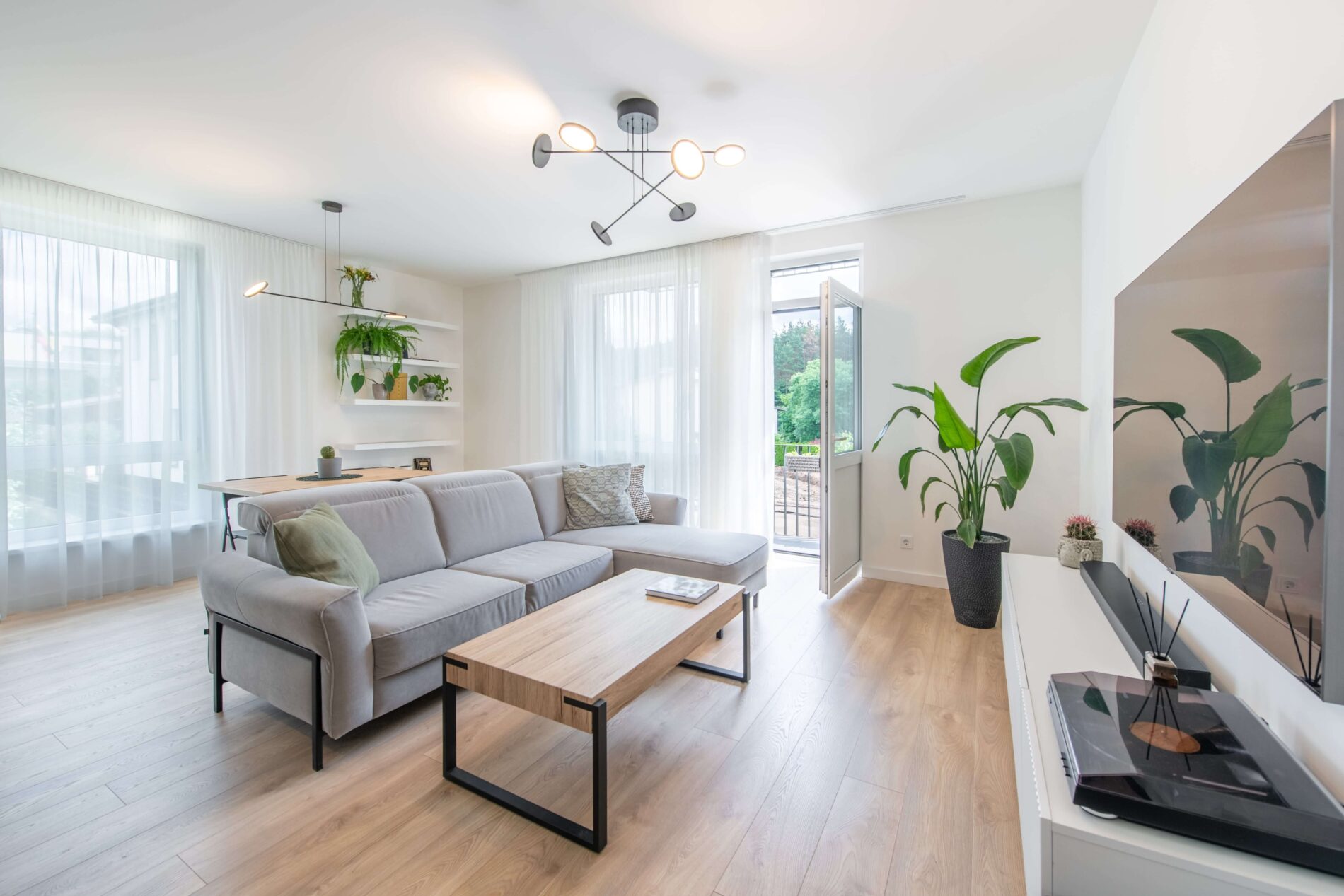
Buying apartments to rent out is still the default strategy in Poland — for good reason.
Pros
- easy to understand for beginners,
- stable demand, especially in large cities (migration, harder access to mortgages).
Cons
- lower yields than in past years,
- higher tenant expectations (standard + location),
- vacancy risk, problematic tenants, tax changes.
Before buying a rental apartment, you need two numbers:
- the real property value (so you don’t overpay),
- a realistic rent level for that location and standard.
An Estify valuation report helps you estimate rental returns based on market data and multiple scenarios — instead of guessing whether it “should work.”
2. House flipping – fast profit or fast loss?
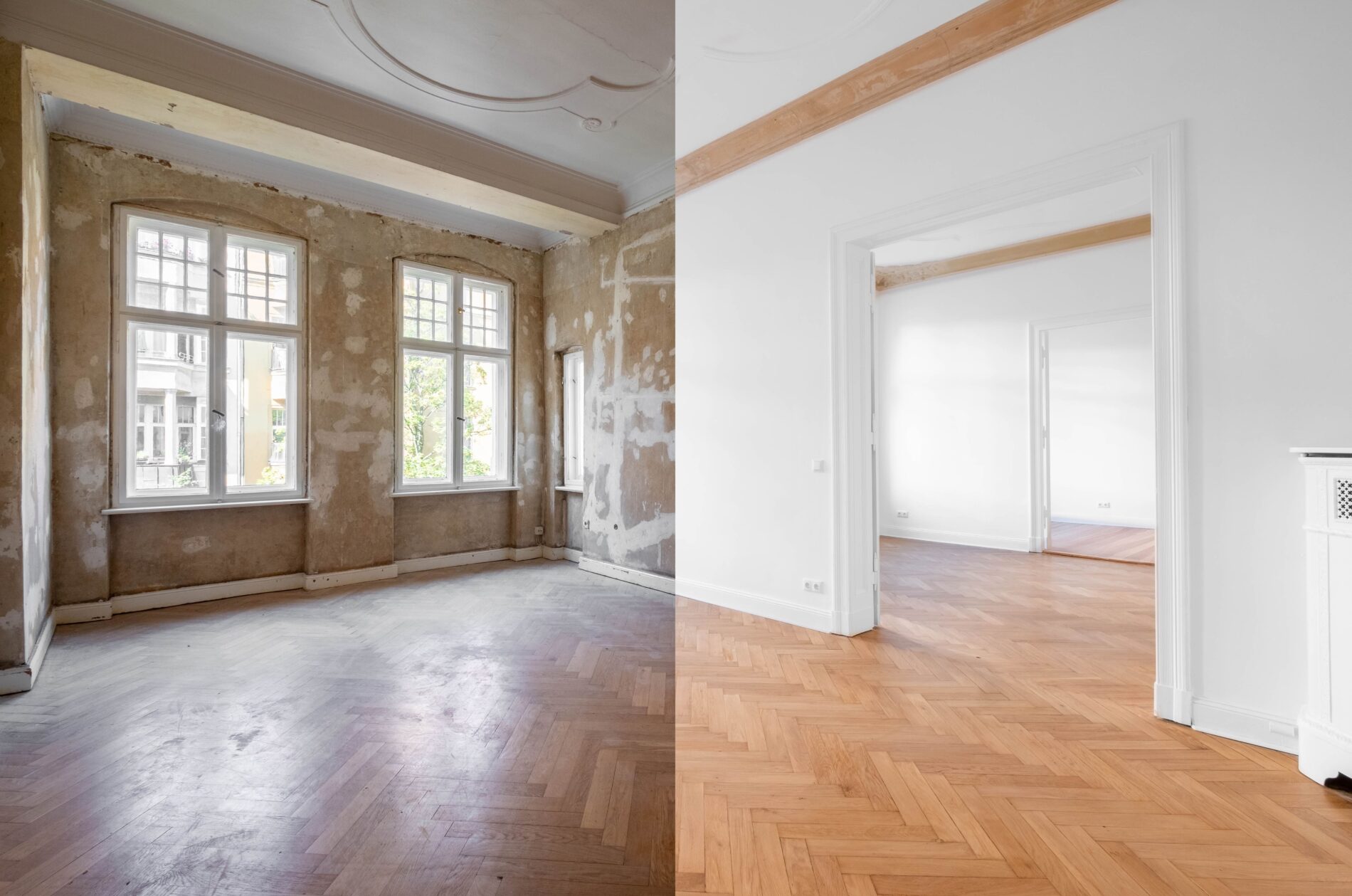
House flipping (buying a secondary-market apartment, renovating, selling for profit) is still tempting because one project can generate strong returns.
But 2026 is different from 2021–2022:
- prices grew significantly,
- renovation labor and material costs rose sharply.
Flipping is now much more technical:
- you need strong micro-location judgment,
- reliable contractors,
- a precise renovation budget,
- and — most importantly — a realistic estimate of the after-renovation value.
This is where Estify can be a major advantage: you can generate a report that estimates the value after upgrading the standard, so you can see if the deal makes sense before buying.
Without that, the common scenario is:
“I’ll buy for 500k, spend 100k, sell for 650k”… and the market says “600k max.”
3. Short-term rental (Airbnb/Booking) – high potential, strict regulation
Short-term rental used to be a “golden child” segment: higher revenue per day, flexible pricing, event-driven demand.
In 2026, the key word is: regulation.
EU Regulation 2024/1028 requires data collection and sharing for short-term rentals, including registration systems. In Poland, this means:
- registration of short-term rental units,
- an identification number used in listings,
- and likely stronger local rules (limits, restrictions, enforcement).
What this means for investors
- you can still earn well in tourism and business locations,
- but you must factor in compliance, reporting, and possible limits,
- properties bought “only for Airbnb” may lose part of their edge in some areas.
Estify helps you with the base layer: understanding what the property is really worth, so you can test whether the strategy still works even if regulations tighten further.
4. Retail/service units and retail parks – higher yield, higher specialization
Ground-floor retail units, small retail parks, and service premises can still offer higher yields than apartments.
Pros
- potentially higher rent stream than residential,
- longer leases with businesses.
Cons
- vacancy risk if the tenant’s business fails,
- sensitivity to consumer demand and e-commerce,
- higher entry barrier and the need to understand local foot traffic and customer profiles.
For many Estify readers: this is typically a second or third step — after one or two residential investments and a solid benchmark of returns.

5. Warehouses and logistics – the segment powered by e-commerce
Poland’s warehouse/logistics sector has been growing fast, driven by e-commerce and supply chains. For many investors, it’s a strong long-term theme.
In reality for a private investor:
- direct ownership is often out of reach due to ticket size and deal structure,
- exposure usually comes through funds, listed companies, or investment vehicles.
Still, it’s useful to understand the broader market — even if your main “playground” remains residential.
6. Offices – potentially higher yield, but the market is restructuring
Offices are one of the more demanding segments today:
- remote and hybrid work reduced demand for some space,
- companies move from older buildings to higher-quality buildings (“flight to quality”),
- ESG and technical requirements are rising.
For individual investors:
- returns can look attractive,
- but vacancy risk can be high — especially in outdated buildings.
This is more “advanced level,” not a first investment.
7. Investment land – high upside, high risk
Land for residential, retail, or logistics development can generate strong returns — but it’s a long game.
Pros
- big upside if zoning changes or demand increases,
- limited supply of top locations.
Cons
- no ongoing cash flow (capital is locked),
- high planning and regulatory risk,
- higher complexity and need for legal/urban planning expertise.
8. PRS, student housing, senior living – a trend showing where the market is heading
PRS (Private Rented Sector), private student housing, and senior living are growing segments in Poland.
For individual investors:
- direct participation is often indirect (funds, companies, vehicles),
- but the trend matters because it signals long-term institutional confidence in rentals.
Estify gives private owners something institutional players already rely on: data-driven decisions (valuation, market review, scenarios).
9. Indirect investing – funds, listed companies, future REIT-like structures
Some investors want exposure to real estate without buying a property directly.
In Poland:
- REIT discussions have been ongoing for years,
- policy proposals evolve (e.g., concepts like FINN-type structures),
- practical options include real estate ETFs, listed developers, specialized funds, and sector-focused companies.
Even if you invest indirectly, it still helps to understand how residential prices behave, what rental yields look like, and how to value an individual property — which is exactly what Estify does at the single-apartment level.
How to choose your strategy — and where Estify fits
There’s no single perfect answer to: “What should I invest in in 2026?”
But there are three smart steps:
- Define your experience level and risk tolerance.
- Always calculate — never assume.
- Use data, not narratives.
Estify is designed to be for private investors what research departments are for large funds: a tool that helps you make a purchase decision based on numbers, not “I think it will work.”